Your cart
There are no more items in your cart


Last items in stock

Type: Pteridacee
Origin: Asia
Growth rate: Slow
Temperature: 10 ° - 28 ° C
Ph: 6/8
Gh: 8/14
Light requirement: Bass
Co2: Medium-low
You might also like

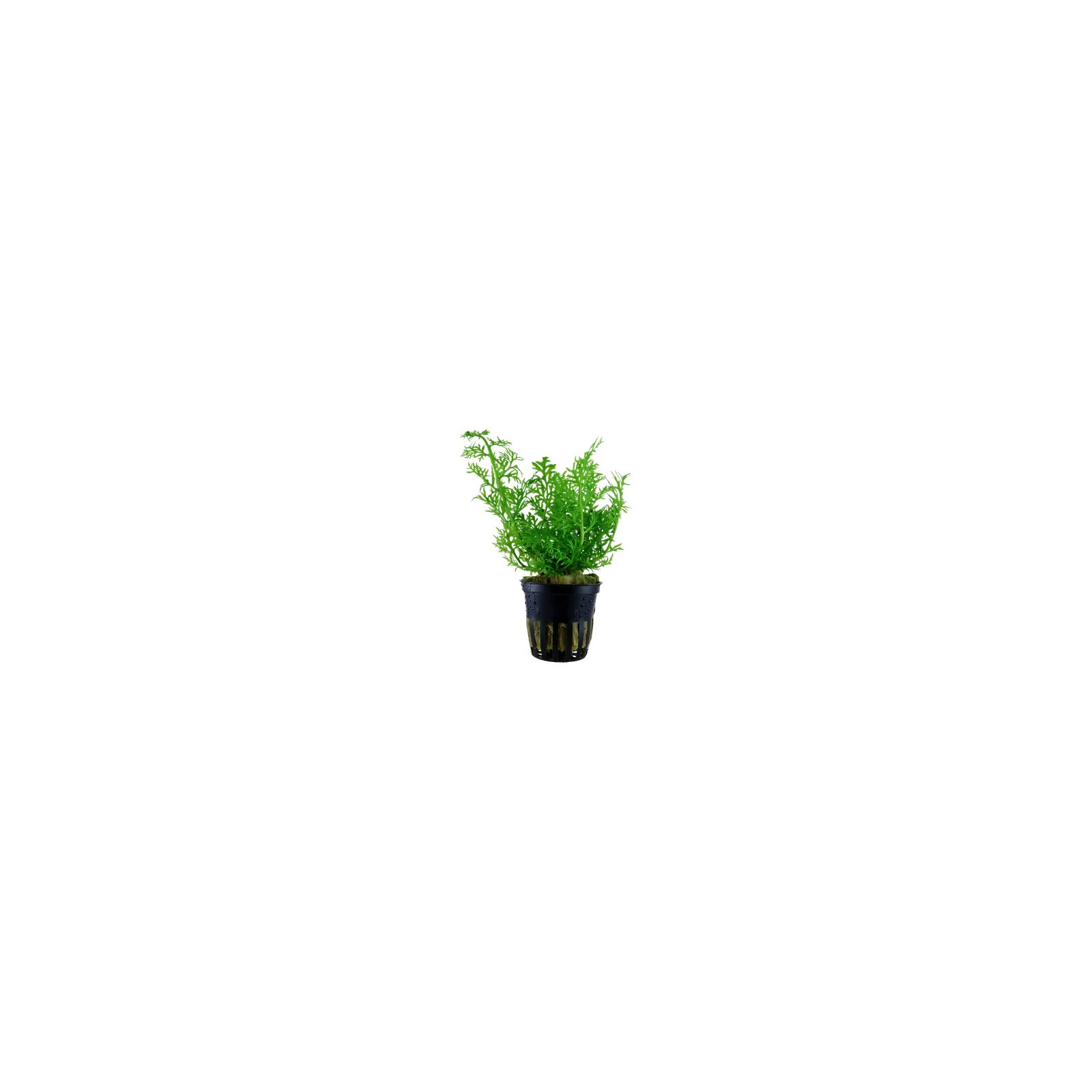
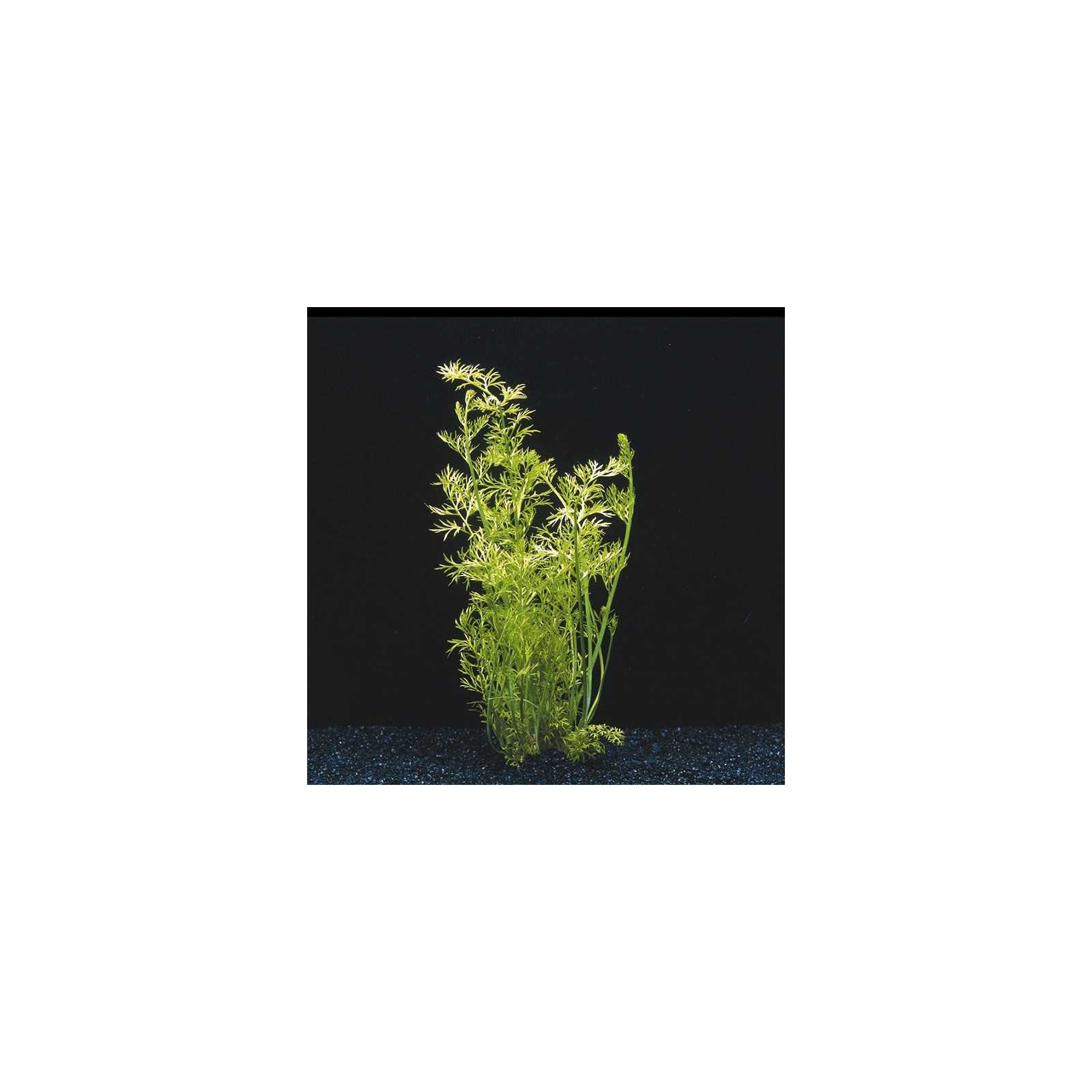
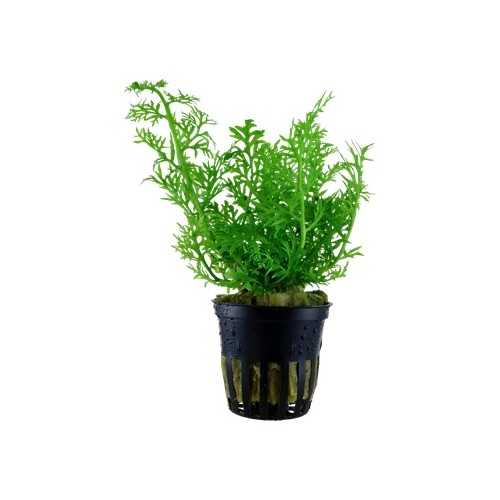
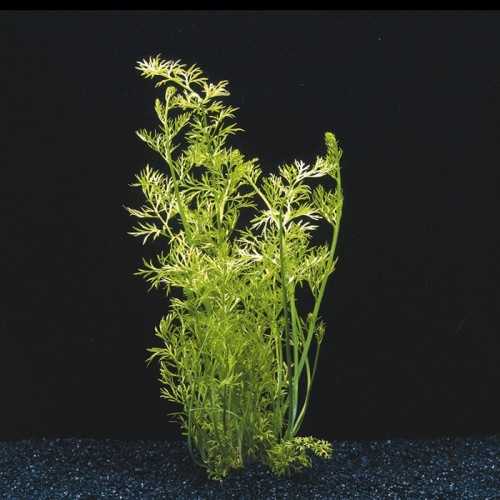
Siliquosa ceropteris is an amphibious fern found in many tropical regions of the world in shallow waters and muddy land, even in rice fields. In some tropical regions of Asia, the leaves emerged to this species are used as vegetables. In nature, it is said that this plant is annual, however it can be cultivated for years without problems. The species contains different phenotypes and, in aquarium, variety with immersed larger or finely pennate leaves. The species is known in the hobby for many years, even with the synonym of ceropteris thalictroides, as well as with the vernacular names of water sprite, Indian fern, eastern water fern and water horn.
C. Siliquosa is a very rapid growth fern and generally grew freely floating on the water surface, like all other ceretopteris species. Labirinthic fish welcome him to build their bubble nests and provides good broken places to hide. However, if planted in the ground, it grows even better as a submerged plant.
C. Siliquosa Form in a short time large bushes, light green, from leaves and thin, as it requires a lot of space, it is better to cultivate it in large aquariums as a solitary plant. Their requirements are not difficult to satisfy; They are quite medium and bright intensity and low concentrations of CO2, however the fern will grow better under a strong light, with additional CO2 and water rich in nutrients.
Form seedlings in the furrows between the slobes of older leaves, like other species of ceretopteris, to a lesser extent. To promote the development of these seedlings, it is advisable to cut the oldest leaves of the plant and let them float on the surface.
In shallow waters and on damp substrates and rich in nutrients, C. Thalictroides forms submerged leaves, also finely pen. The spores have very narrow leaf tips. Their margins roll down and cover the sporanges (spores capsule).
You might also like