Your cart
There are no more items in your cart





- -€3.10
Available in stock

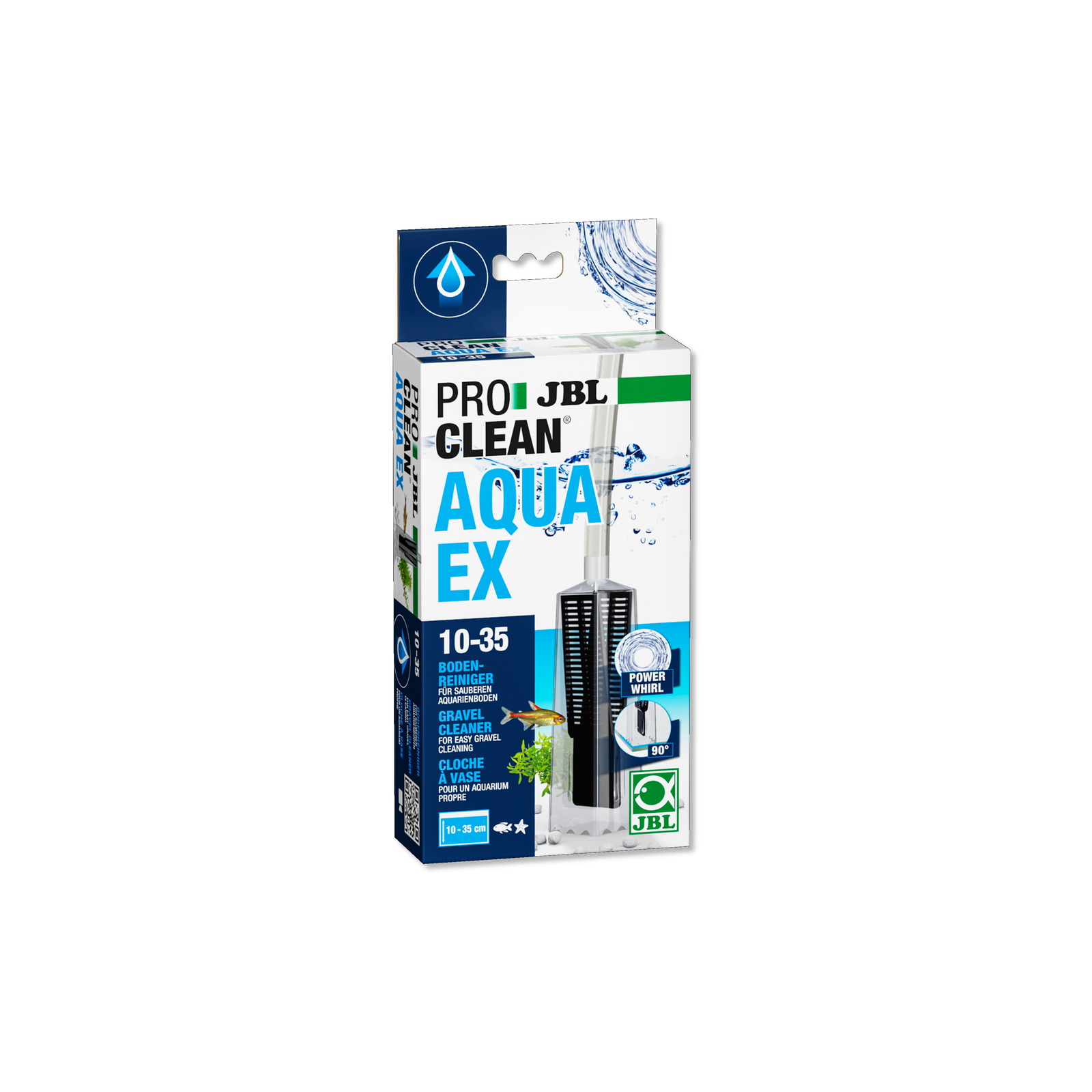
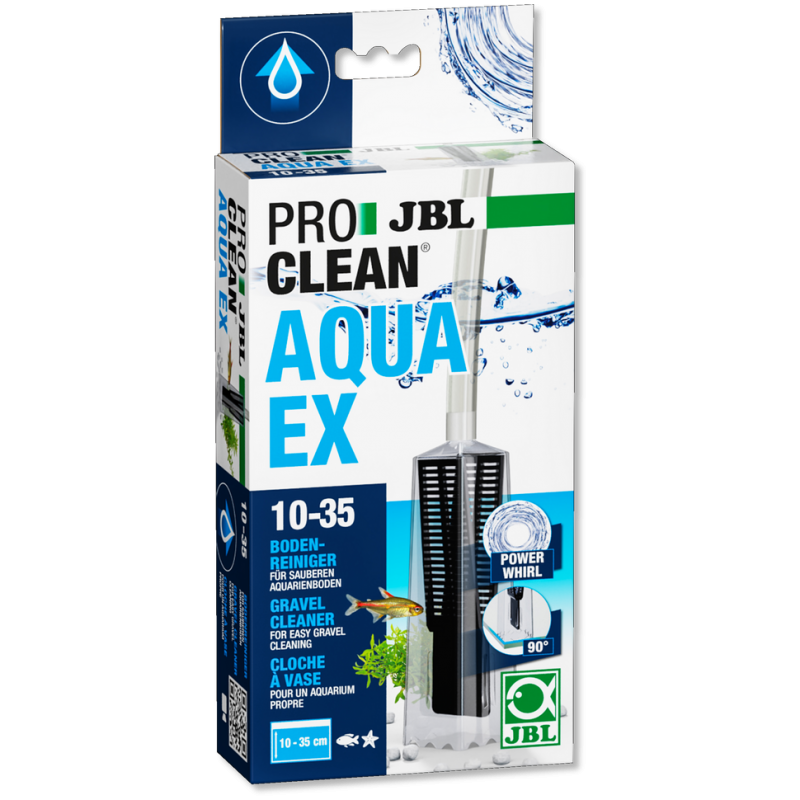
JBL Proclean aqua ex 10-35
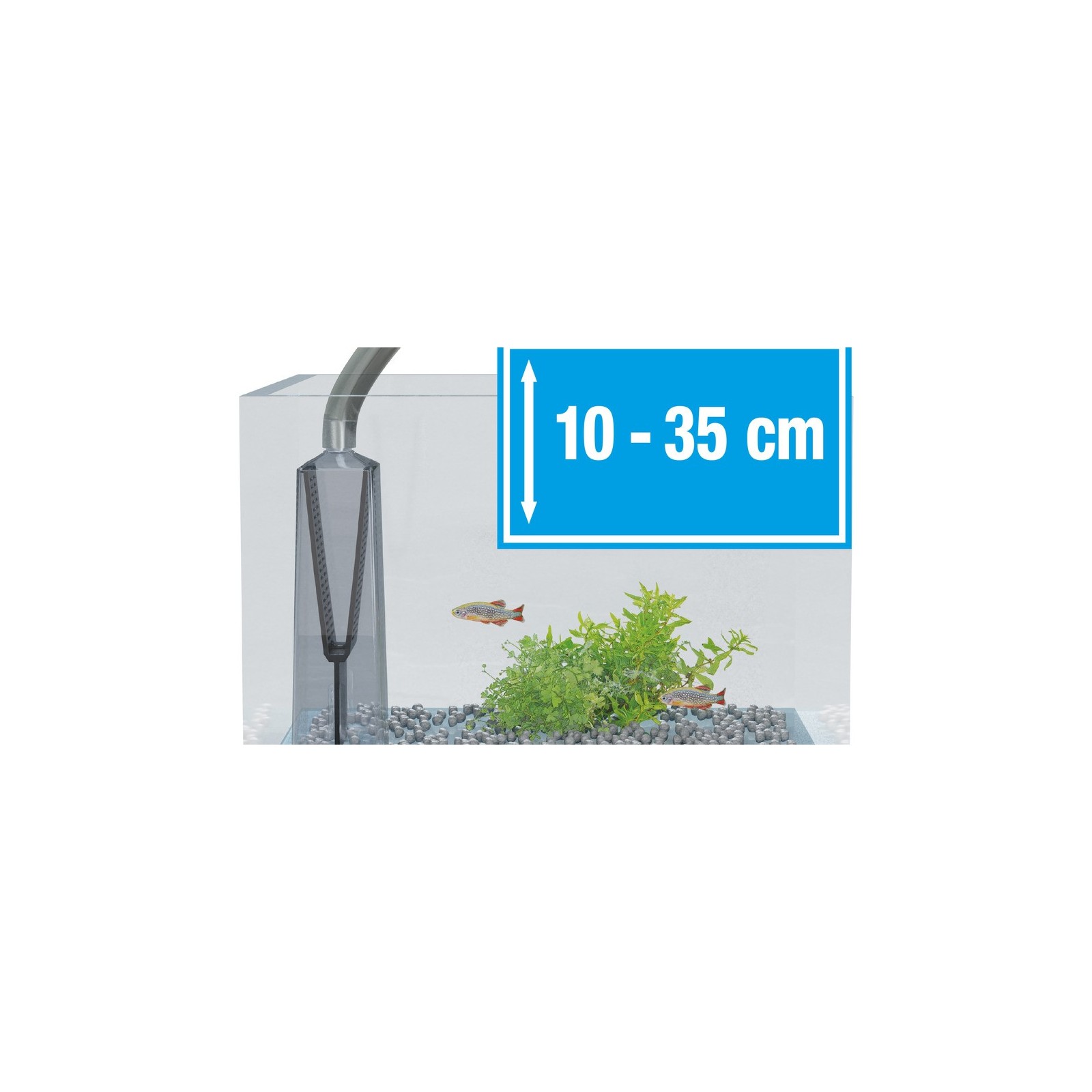
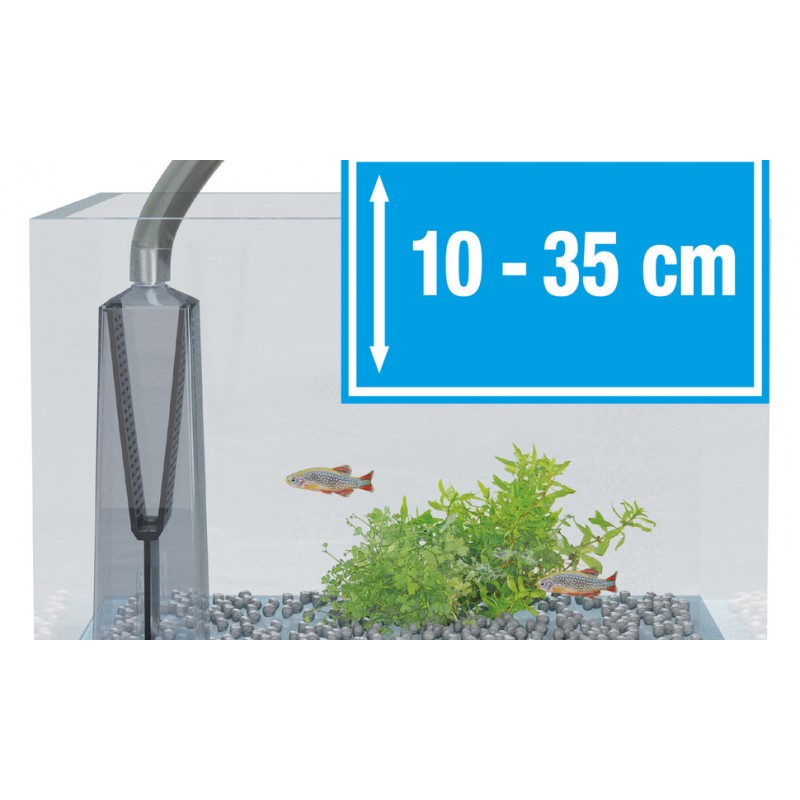
Vacuumo (aspiring bell) for cleaning high aquariums 10-35 cm
Content: 1 Vacuumer bell with Ø 35 mm, height 12.5 cm, incl. 1.5 m of flexible hose (9/12 mm)
Prices valid only online
You might also like
Small but refined and very effective aspirarifies for aspiration of waste in small aquariums
Use: Keep the waterfill in the water, suck briefly with the mouth and the water flow out into the bucket.
Immerse the aspirerifiuti in the substrate and thanks to the suction the slime is sucked from the bottom
The angular section allows the suction of dirt into the aquarium corners
Animal safety: Removable protection grille against accidental suction of plants, shrimp and fish
Regular water change
The remains of feed and plants and metabolic waste pollute the water of the aquarium. Since aquarium filters fail to completely remove these substances from water, and a large part of the waste is deposited in the substrate, a partial water change must be performed regularly (about every 2 weeks 1/3 of the water content). This should always be associated with a waste suction from the substrate. After the partial water change you should absolutely use a good water conditioner, like JBL Biotopol, to make the new tap water suitable for fish.
Easy use
Hang the bell aspired to the aquarium, aspire from the end of the tube and hold it into a bucket, so that the water flows into the bucket. Clean the bottom with the aspirerfiuti bell. To end it simply remove the bell aspirental water.
Tip: If you don't want to suck the water with your mouth, keep the entire flexible hose in the water until it is full of water, keep one end and reopen it in the bucket. In this way the water will flow independently.
Thus the aquarium bottom is properly cleaned
Push the bell aspired with rotary movements in the aquarium substrate. The suction suctions the substrate and waste upwards. Given its weight the substrate falls downwards and only the waste is sucked by the aquarium. In the event of fine sand you can adapt the stove by raising the aspiring bell, so that even the light sand can fall back to the bottom.
If a long-lasting fertilizer is found under the gravel layer (eg JBL Proflora Aqua Basis), you should avoid pushing the bell aspired to the substrate to touch the bottom of the aquarium, and leave it only to a depth equivalent to the thickness of the layer that covers the substrate itself.
You might also like