Reverse osmosis is a technology that exploits the capacity of certain semi-permeable membranes to separate water from substances dissolved.
Applying a certain pressure (that water network), the water is strengthened to cross the membrane; Pure water (permeated) will be thus divided by water containing salts (concentrate).
The osmotic membrane that implements the most prompted level that is achievable (that of polyamide / polisulfone), behaves like a barrier towards not only of salts and inorganic substances, but also towards organic substances of molecular weight greater than 100; It is therefore an excellent defense against micro-increases, pesticides, pyrogens, viruses and bacteria that were contained in water.
This technology appeared on the water treatment market in recent times, it came to rapidly stating, and, in a few years, it is imposed thanks to its characteristics of versatility, excellence of performance and ease of use.
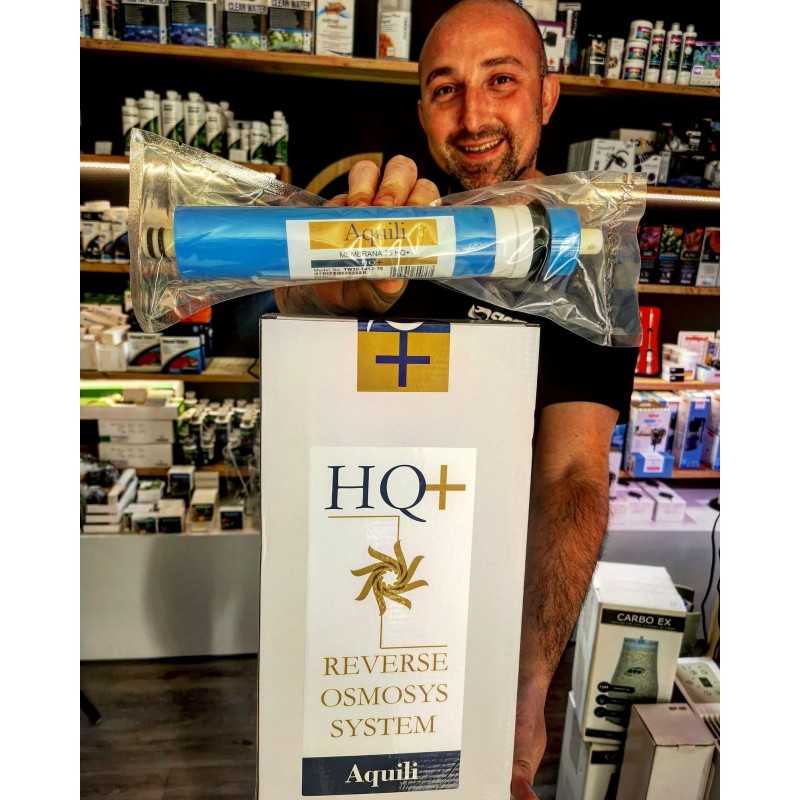
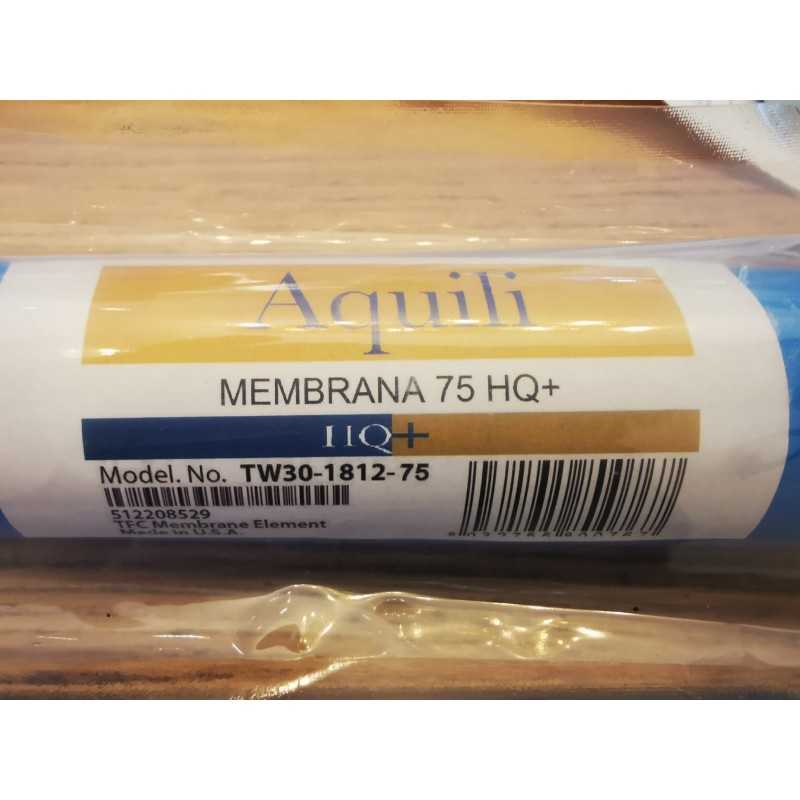
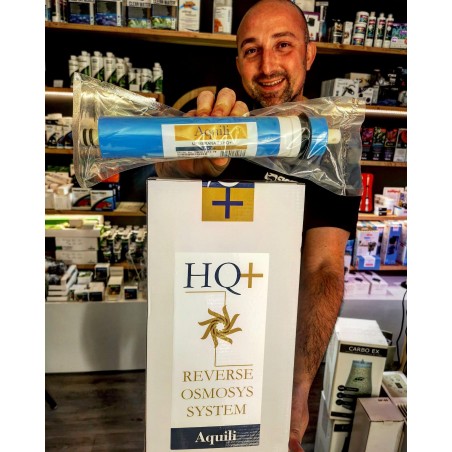
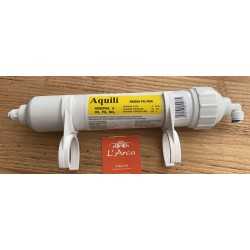
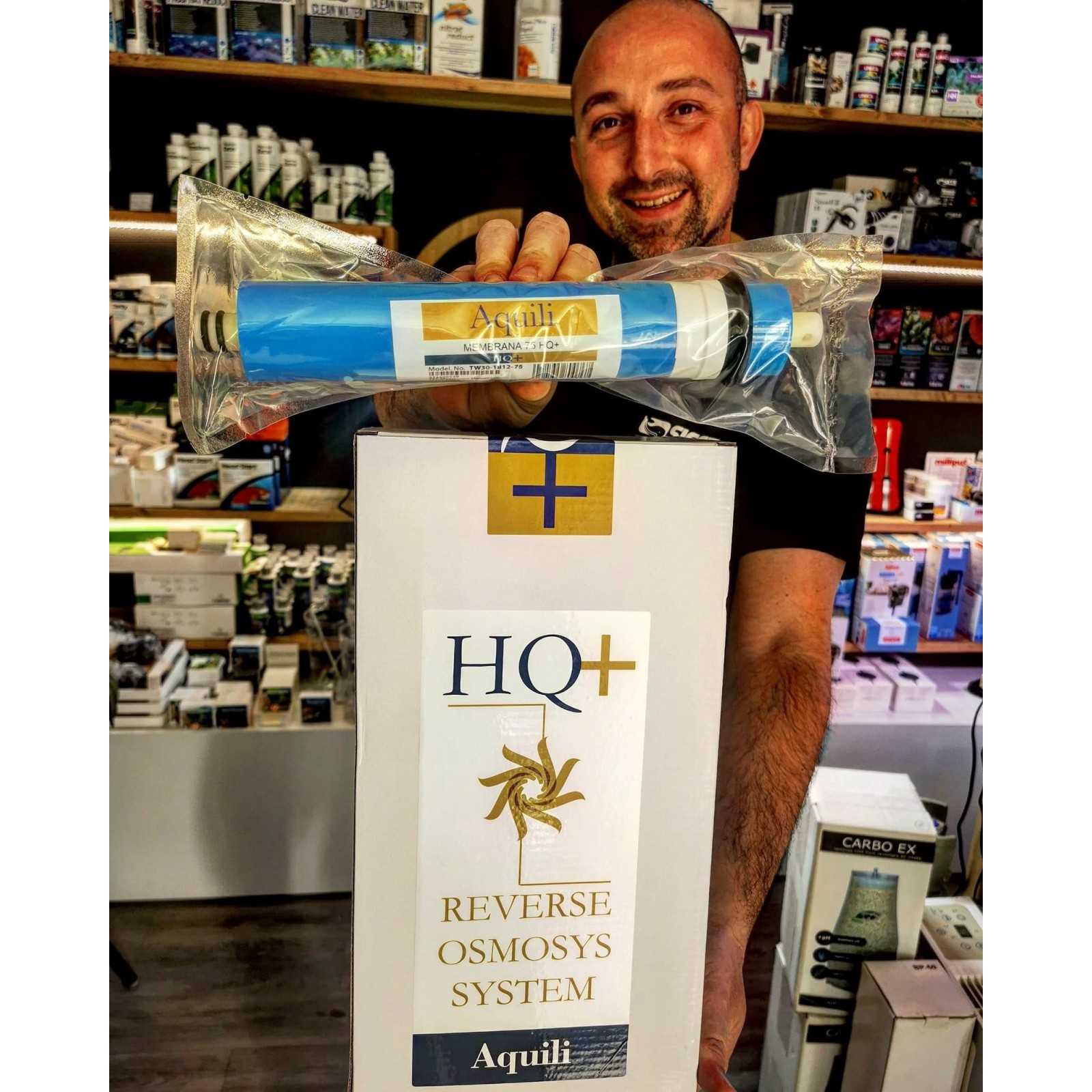
Membranes Aquili Hq +
The membranes characterized by the acronym HQ + (High Quality Plus) represent the latest generation of osmotic membranes that summarize all the technological innovations of recent years.
They are membranes equipped with a high rate of salts, they succeed, in fact, to hold up to 99% of dissolved salts. These values, until recently, were only achieved by the best industrial membranes with very high costs and with exercise pressures of 10 - 15 bar.
Furthermore, the particular composition of the membrane structure allows you to withdraw more osmotic water and to decrease the waste while maintaining a high quality of water. With normal membranes you can take from 15% to 20% of the water entering the membrane while 80% - 85% goes into scrap. The HQ + membranes instead allow to recover from 30% to 50% of total water.
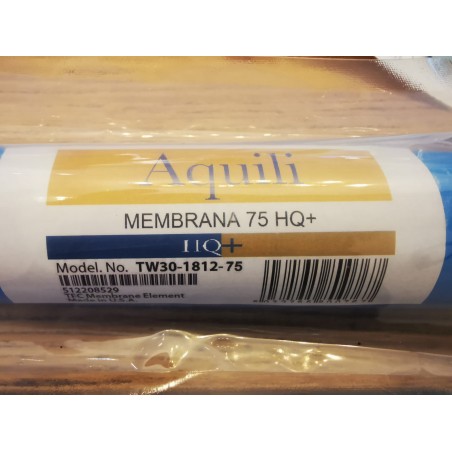
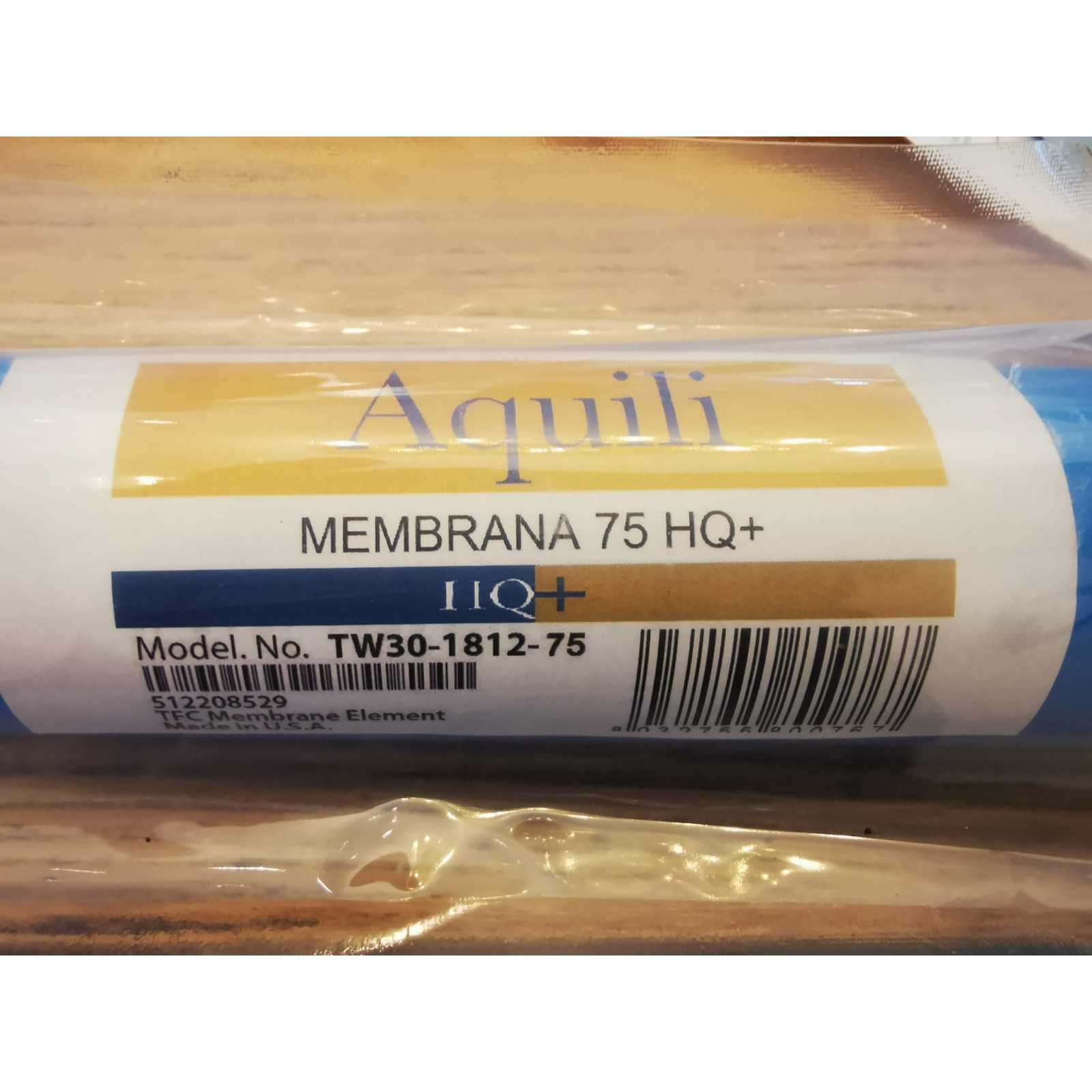
Membrane Aquili HQ + 75 GLD
At 60 psi (~ 4 bar) 30% water recovery withholding salts 99%
At 60 psi (~ 4 bar) 40% water recovery withholding salts 98%
At 75 psi (~ 5 bar) water recovery 50% retained salts 97%
Tested membrane at 250 ppm = 390 microsiemens = 14 d ° kH of salts in solution.
25 ° temperature
PH 6.5 - 7.0
Each area of Europe has its own different water for organoleptic characteristics from all other waters.
To allow the correct use of our plants in each country of Europe, we have set them with a safety report that goes from 1: 1.5 to 1: 2.
This report, during use, settle automatically based on the input water pressure. (Standard membranes work with the ratio 1: 4)
In this way we sacrificed the maximum production peak reachable (in fact, you can reach 1: 1 ratio), but in every European country, to change the pressure or hardness of the water, the plant always has excellent performance and does not subject the membrane with excessive stress they can Do it collapse.