Your cart
There are no more items in your cart

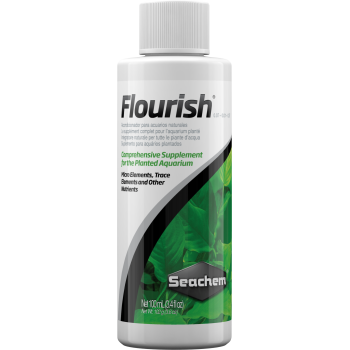
Flourite Seachem
€24.90

Origin: Africa-euorpa
Type: Stolons
Growth: average
Height: 40 cm - 200 cm
Width: 2 cm - 10 cm
Water temperature: 18-28 ° C
Ph: 6.5 - 8.5
Light requirement: medium-high
CO2 requirement: 3-5 mg per liter
You might also like

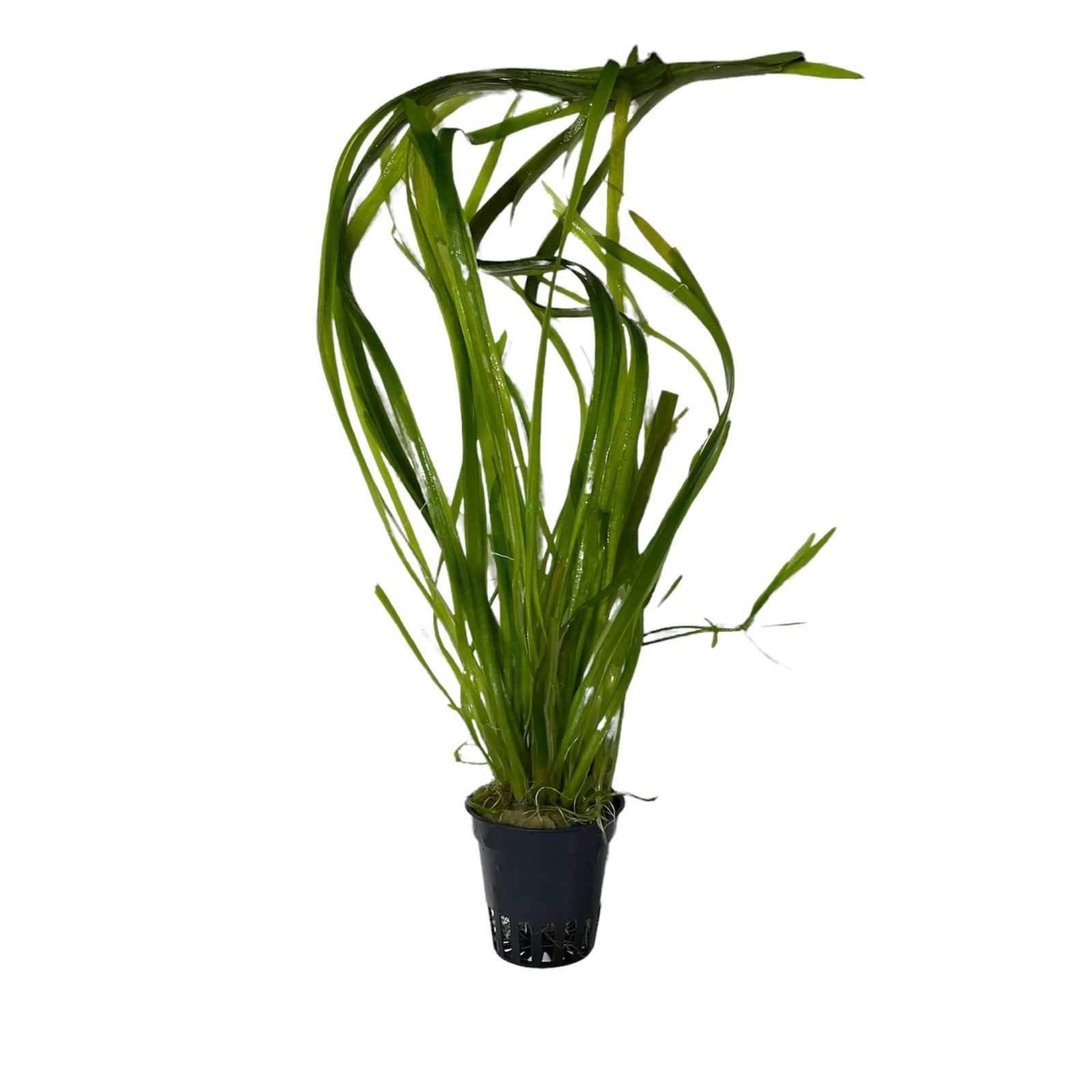
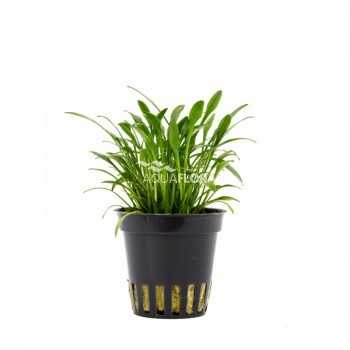
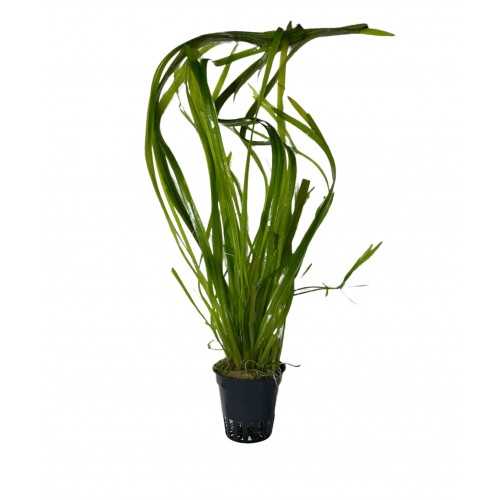
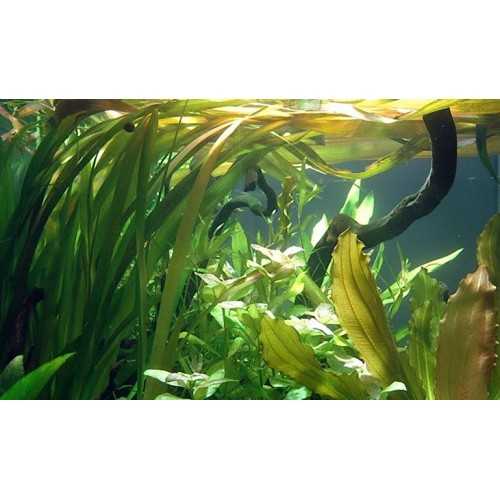
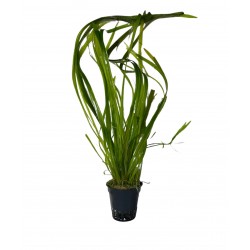
Vallisneria Spiralis is a classic and widespread aquatic plant, known since the early days of aquarium, although often sold with this name despite being other species of Vallisneria. Originally of Africa, hot parts of Europe (like Italy) and perhaps by the Near East, lives in stagnant or currents waters. Carl von Linné described it for the first time in 1753, referring to the leaves, but at the spiral stem spiral that emerges during flowering, when the female flower floats on the surface of the water and then lower thanks to the twisted stem. This feature is common to all species of Vallisneria.
VALLISNERIA SPIRALIS is a very variable species, with leaves of 5 to 15 mm and up to 2.5 meters long. It is cultivated in different shapes, with smooth or twisted leaves, in many commercial names. However, it is certainly not that all plants sold with the name Vallisneria Spiralis really belong to this species. For example, plants from Malaysia with the label "VALLISNERIA SPIRALIS" have been identified as VALLISNERIA DENSESRUULATA by DNA analysis. The distinction between the various species is complex and the plants can vary a lot of each other, making exact identification difficult.
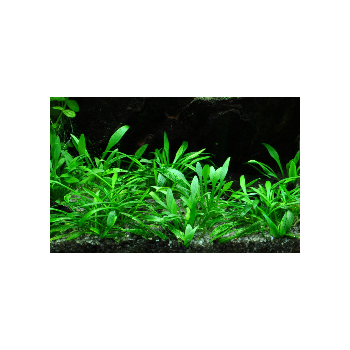
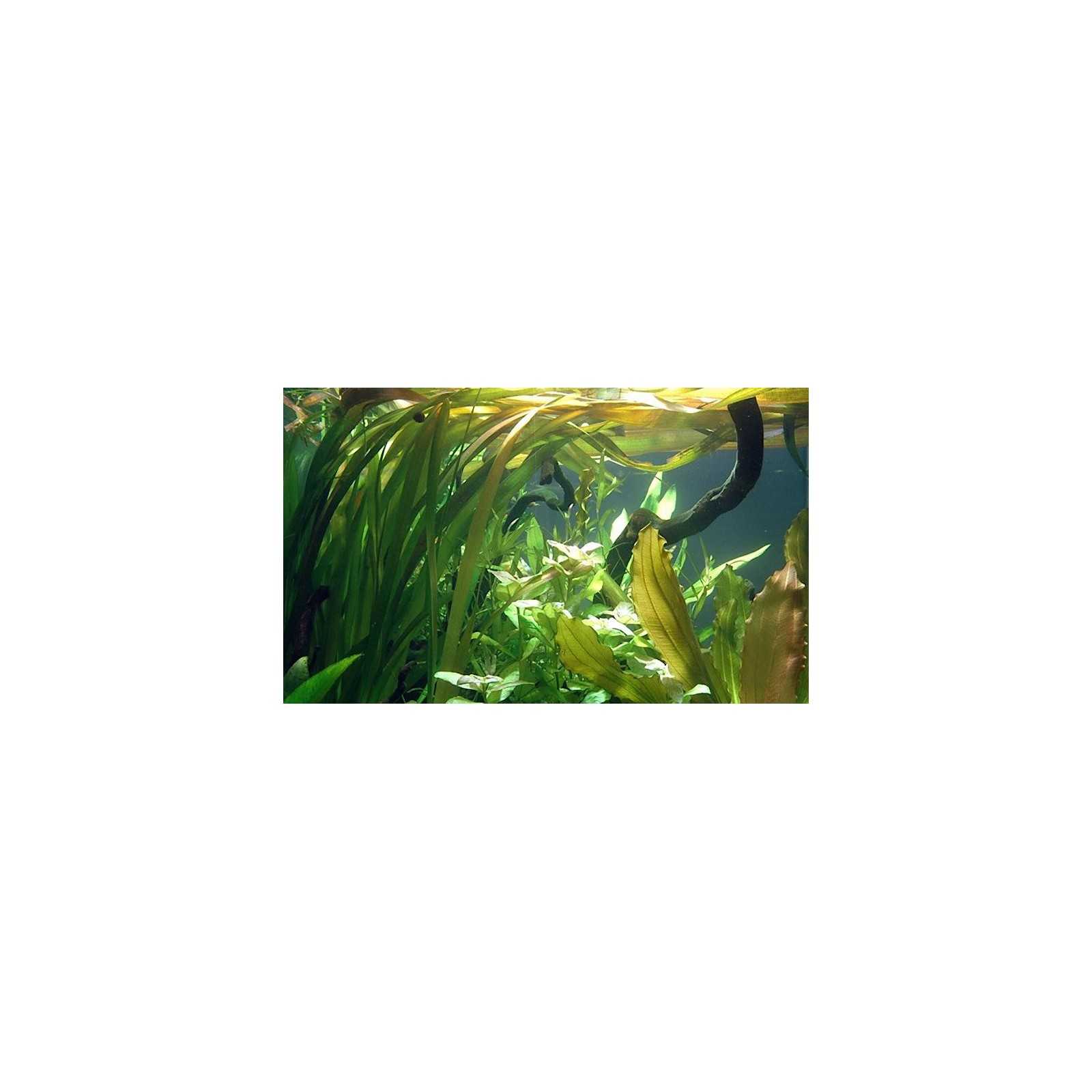
Despite these differences, for the aquaristry it is not particularly important to distinguish the species, since all Vallisners require similar care. They are poorly demanding plants that grow well with normal light and without adding CO2, adapting to various water parameters. It is a very robust plant, but often underestimated. Contrary to what is believed, it is not a plant that thrives in the shadow: it needs a lot of light and prefers water from medium to hard. Its leaves can reach notable lengths, making it unsuitable for medium-small tanks, as it tends to occupy all the space available through the formation of stolones. Moreover, it does not tolerate the pruning of the leaves well: if these are shortened, they risk rot and damage the entire plant. It is therefore recommended for wide and high aquariums, where its long leaves can sway in the current, creating a scenographic effect.
You might also like