Your cart
There are no more items in your cart
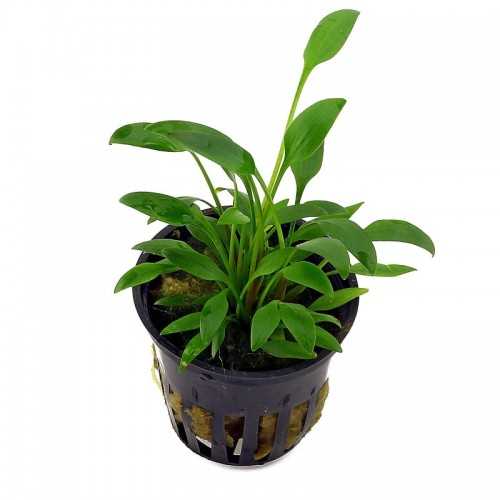
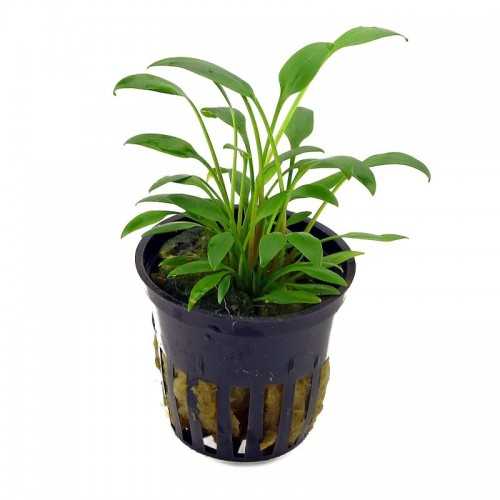
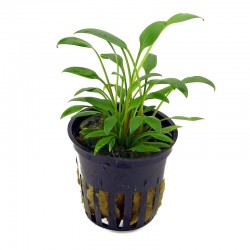

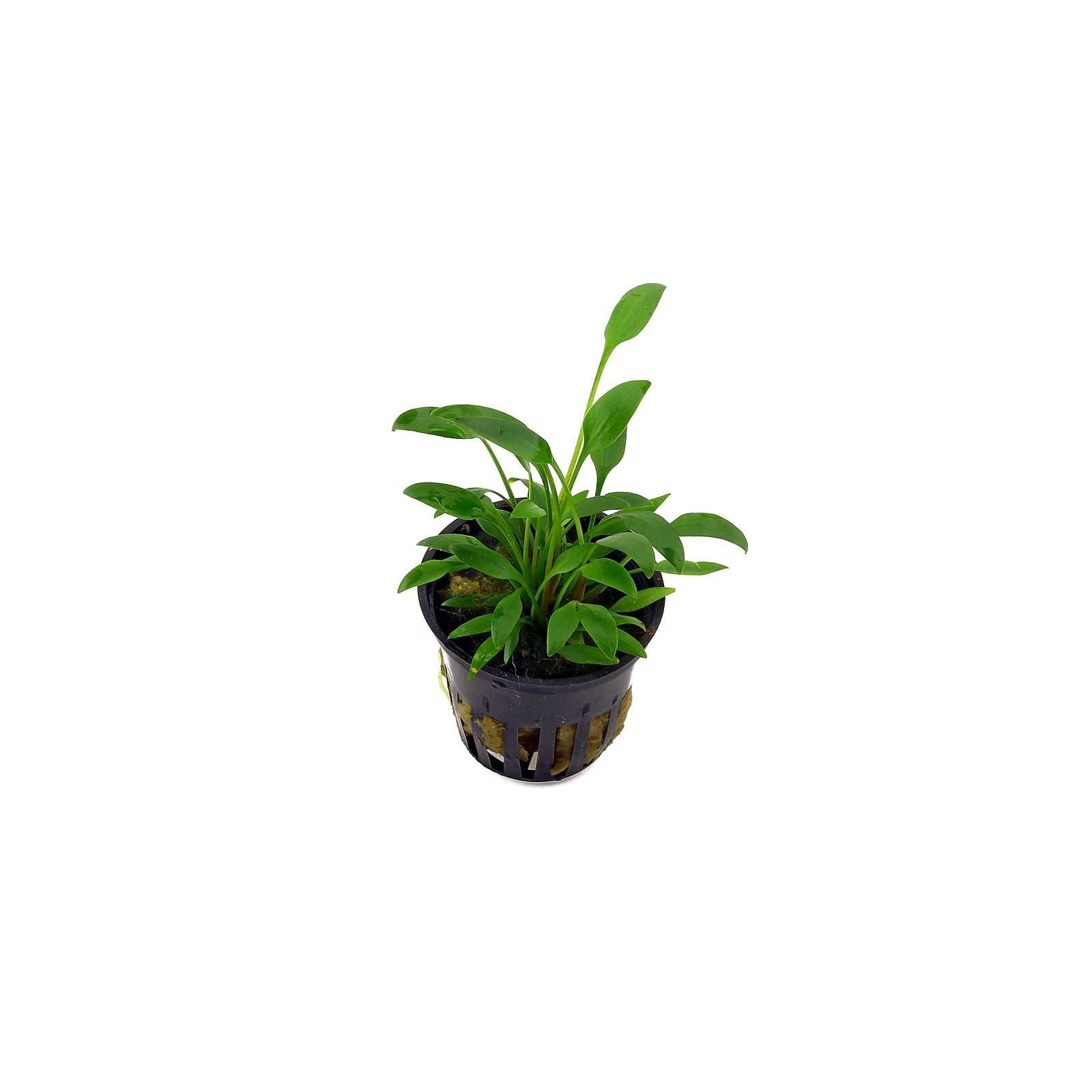
Cryptocoryne x willisii 'Nevelli' in jar - Aquaflora
€7.40
VAT included
Origin: Asia
Growth rate: Slow
Height: 10 cm - 20+ cm
Request for light: Low
Co2: Low

This cryptocory has been used, cultivated and known for many years as CryptocoryNe Nevillii, until in 1976, Niels Jacobsen proposed the change of name from Cryptocoryne Nevillii to Cryptocoryne X Willisii currently used. This plant is a natural hybrid, and for this reason, its name is written with a "X" placed between the genre and the species, in practice between Cryptocoryne and Willisii.
This hybrid is most likely dating back to crosses between C. Parva, C. Walkeri and C. Beckettii, crosses that gave rise to a group of very variable plants between them, and to which Niels Jacobsen himself, He would also like to belong the cryptocoryne Lucens, previously described by De Witt. Currently, on the other hand, the C. Lucens is still named without the "X", consequently, is not considered a hybrid.
The Cryptocoryne X Willisii is a typically palustrated plant, like almost all the Crypto, therefore subject to dry periods alternated with periods in which Vegeta completely submerged. Its appearance is very beautiful and for this frequently sought by fans. Its leaves, lanceolate and narrow, sometimes oval, appear smoothly with whole margin with a very uneven rib, are of color that goes from bright light green to the middle green.
Relatively simple to cultivate, it is curious to note that from the position of its leaves we can understand how much light we are giving the plant. The more he is illuminated, more his leaves will spread to cover the ground below them, while with a minor lighting for intensity and durability, it will do the same ones are disposed more vertically. His cultivation emerged is not at all complicated, as always, a palustrous, warm and humid environment.
Originally from Sri Lanka This plant does not become very high, stopping at 7 - 10 cm though it is necessary to say that its growth is generally very unruly. In the same plant, in fact, there can be obvious differences in the length of the individual leaves. The diameter formed by a single rosette is therefore about 10 - 15 cm. It turns out to be a very effective plant, if cultivated in large groups, or if you use it in the first floor for the lawn in medium-sized tanks.
It requires a fertile and never compact fund, even if its roots, which have considerable development, contribute to lightening it into the areas you are interested. Better if the gravel's grain is mid-end. It is not very much affected by the entry of CO2, but as always, it does not do, as well as the application of a serious and well-balanced fertilization protocol, it contributes little to the development of this small as for me wonderful essence.
- Color
- Green
- Origin
- Asia
- Difficulty
- Easy
- Positioning
- Center
- Light requirement
- Little
- Growth speed
- Low
- Co2
- Little
020377

Customers who bought this product also bought:






Tap to zoom