Kit 10 easy plants | For aquariums from 60 to 120 liters | Ideal for neophytes
€65.90
VAT included
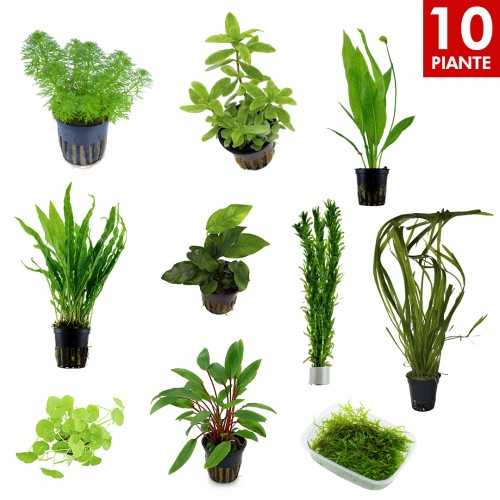
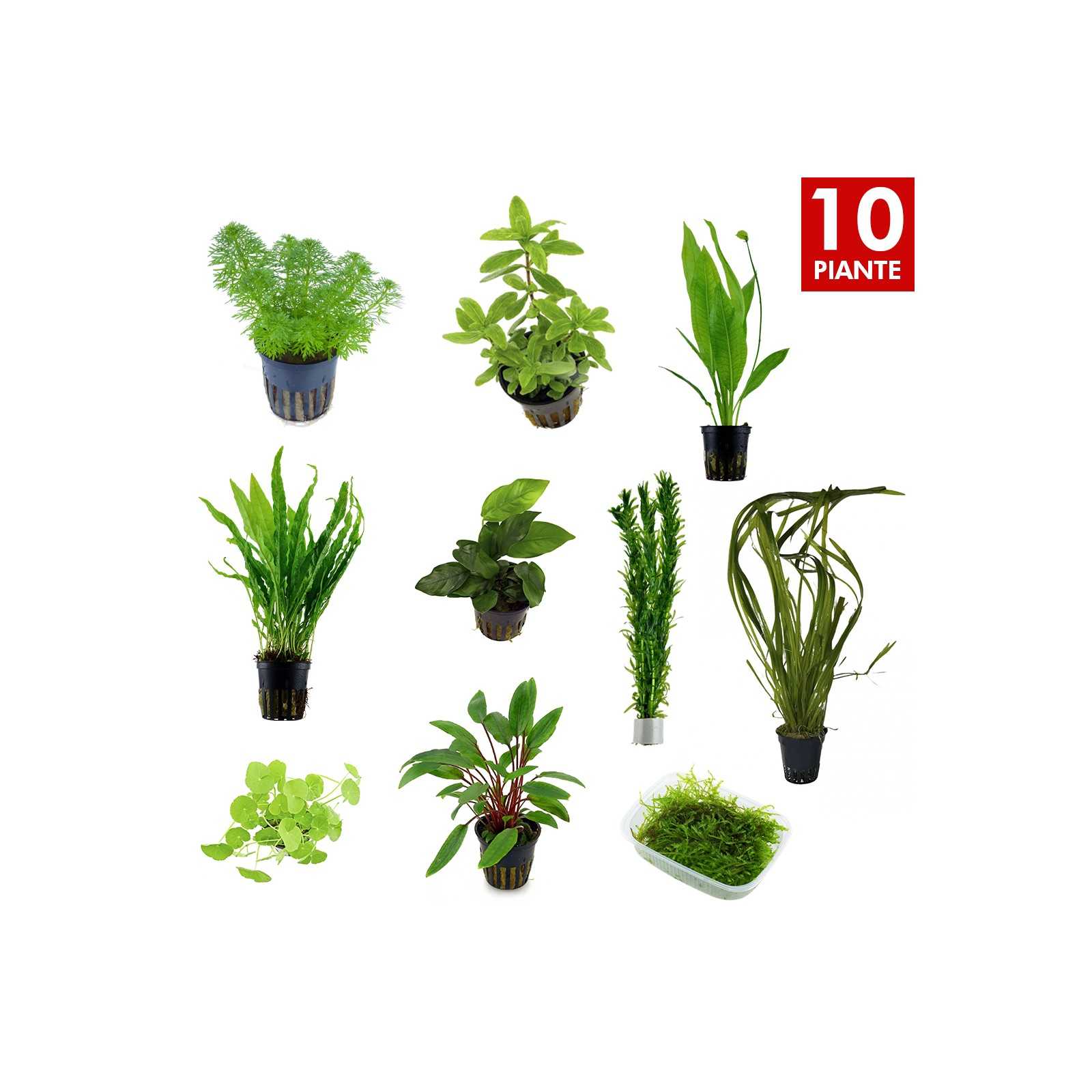
The kit 10 easy plants is designed for aquariums from 60 to 120 liters with inert or sand background. IncLude resistant and ornamental species that grow vigorously even without nutritional substrate: Limnophila Sessiliflora, Hygrophila Polysperma, Cryptocoryne Beckettii, Microsorum Pteropus Anubias Nana, Vallisneria Spiralis, Echinodorus Bleherae, Dense Egeria, Hydrocotyle Leucocephala and Christmas Moss.
Ideal for neophytes that set up their first aquarium with natural layout in low-tech tanks, without co-plants.
This kit is designed for those who want to set up a natural and lush aquarium even in the absence of a fertile bottom. All plants included are perfectly adapted to inert funds such as sand or gravel, without requiring the use of nutrients or complex systems.
The ten varieties chosen offer a balanced mix of rapid and slow growth plants, with different shapes and heights, creating a harmonious and stable aquatic environment. Rapid growth plants help prevent algae training by absorbing excess nutrients, while slow growth ones add a visual structure and interest.
Easy to manage even for those in the first experiences, these plants are compatible with low-tech tanks and do not require co₂ plants (if your tank was technically more advanced with fertile bottom and co₂ your plants will have a faster and fastest growth).
The dense leaves and different textures create natural volumes and shadow areas that improve the aquatic environment and offer shelter to the small inhabitants of the tub.
Content of the kit and technical characteristics
1 - Limnophila Sessiliflora
Ideal temperature: 20-28 ° C
Ph tolerated: 5.5 - 7.5
GH: 3-12 ° DGH
KH: 0-8 ° DKH
Lighting: Media
Co₂ Request: Not necessary
Growth speed: very fast
Aquarium position: background
Special features: it also grows well without fertile fund, absorb nutrients directly from the water, excellent to stabilize new preparations
2 - Hygrophila Polysperma
Ideal temperature: 22-28 ° C
Ph tolerated: 6.0 - 7.5
GH: 3-12 ° DGH
KH: 2-8 ° DKH
Lighting: Media - Alta
Co₂ Request: Not necessary
Growth speed: very fast
Aquarium position: background
Special features: rapid growth plant that helps prevent algae, ideal for beginners
3 - Cryptocoryne Beckettii
Ideal temperature: 22-28 ° C
Ph tolerated: 6.0 - 7.5
GH: 3-12 ° DGH
KH: 2-8 ° DKH
Lighting: low - medium
Co₂ Request: Not necessary
Growth speed: slow - moderate
Aquarium position: central area or first floor
Special features: Robust leaves, ideal for creating natural transitions and compact shadow areas
4 - Microsorum Pteropus
Ideal temperature: 20-28 ° C
Ph tolerated: 6.0 - 7.5
GH: 3-15 ° DGH
KH: 2-10 ° DKH
Lighting: low - medium
Co₂ Request: Not necessary
Growth speed: slow
Aquarium position: First floor or central (on wood / rock)
Special features: it gives its best when it is alloyed to wood or rocks. Ideal for aquariums with inert background
5 - Anubias Barters Var. Nana
Ideal temperature: 20-28 ° C
Ph tolerated: 6.0 - 7.5
GH: 3-12 ° DGH
KH: 0-8 ° DKH
Lighting: low - medium
Co₂ Request: Not necessary
Growth speed: very slow
Aquarium position: close-up or on wood / rocks
Special features: compact, decorative and resistant, offers micro-shelters for small fish and fits any layout
6 - Vallisneria Spiralis
Ideal temperature: 20-28 ° C
Ph tolerated: 6.0 - 8.0
GH: 4-15 ° DGH
KH: 3-10 ° DKH
Lighting: Media
Co₂ Request: Not necessary
Growth speed: Moderate - Quick
Aquarium position: background or sides
Special features: long ribbon leaves that sway with the current, excellent for creating shelters and vertical cover
7 - Echinodorus Grisebachii 'Bleherae'
Ideal temperature: 22-28 ° C
Ph tolerated: 6.5 - 7.5
GH: 3-12 ° DGH
KH: 2-8 ° DKH
Lighting: Media
Co₂ Request: Not necessary
Growth speed: moderate
Aquarium position: background
Special features: wide leaves and a height that can touch the 60 cm, ideal as a dominant plant
8 - Dense Egeria
Ideal temperature: 18-28 ° C
Ph tolerated: 5.0 - 9.0
GH: 3-15 ° DGH
KH: 2-10 ° DKH
Lighting: Media - Alta
Co₂ Request: Not necessary
Growth speed: very fast
Aquarium position: background or float
Special features: excess nutrients absorbs, helps prevent algae
9 - Hydrocotyle Leucocephala
Ideal temperature: 20-28 ° C
Ph tolerated: 6.0 - 7.5
GH: 3-12 ° DGH
KH: 2-8 ° DKH
Lighting: Media
Co₂ Request: Not necessary
Growth speed: Quick
Aquarium position: Featured or floating
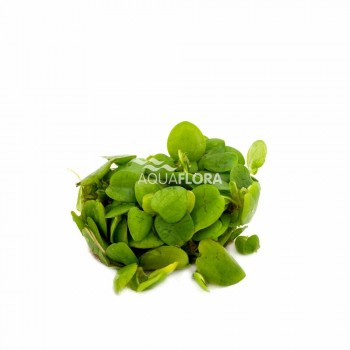
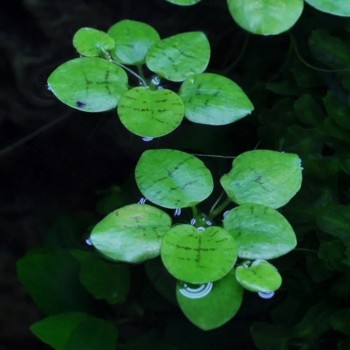
Special features: clover-shaped leaves, compact growth, ideal for creating shadow
10 - Christmas Moss (Vesicular Mountains)
Ideal temperature: 20-28 ° C
Ph tolerated: 5.5 - 7.5
GH: 3-15 ° DGH
KH: 0-10 ° DKH
Lighting: low - medium
Co₂ Request: Not necessary
Growth speed: slow
Aquarium location: close-up, on wood, rocks or retines
Special features: compact growth ornamental moss with "fir branches" shape. Ideal for creating natural landscapes, small shrimp shelters and shaded areas. Perfect also for inert aquariums thanks to the possibility of anchoring it on supports.
Benefits of the kit for your aquarium
No fertile funds needed: all plants develop well on sand or gravel, without the need for technical substrates or complex fertilizers.
Perfect for beginners and low-tech aquariums: facial plants to manage, resistant and adaptable even in the absence of co₂.
Complete and balanced layout: the kit includes foreground plants, center and background, plus a decorative moss: everything you need for a harmonious aquascape.
Prevention Natural algae: rapid growth species, such as Limnophila, Hygrophila and Egeria, help keep excess and unwanted algae under control.
Natural environment for fish: the dense leaves offer shelter, shaded areas and tranquility to the inhabitants of the tub, improving their well-being.
High adaptability: all species tolerate a wide range of chemical parameters and temperatures, making them ideal for almost all tropical aquariums.
Benefits of plants for the aquarium
Oxygen production: during photosynthesis, plants release oxygen, improving water health and fish wellness.
Absorption of ammonia, nitrites and nitrates: Plants use these compounds as natural fertilizers, helping to maintain organic balance.
Stress reduction in fish: plants provide hiding places and quiet spaces, reducing aggressive behavior and stress.
Natural and lively decoration: unlike artificial furnishings, real plants grow, evolve and make each set up.
Long-term biological stability: a planted aquarium is more stable and less subject to sudden crisis of chemical values.